
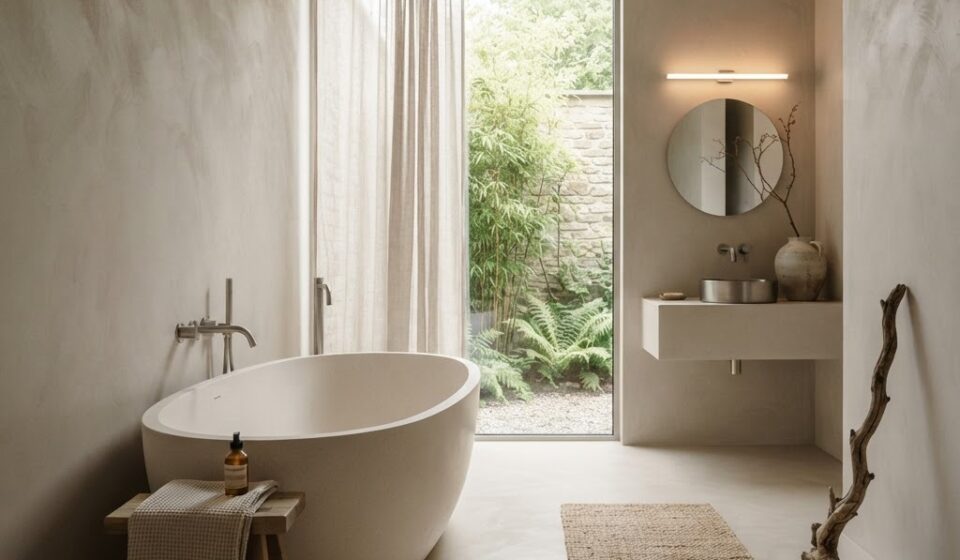

microcement bathroom
Bathroom renovation is about more than replacing old tiles or installing new fixtures. The choice of surface materials affects the room’s appearance, maintenance needs, and overall comfort. A microcement bathroom offers a contemporary alternative to traditional tiled interiors, creating a smooth, continuous finish that suits modern design preferences.
Microcement is valued for its minimal appearance and versatility across different surfaces. When properly specified and installed, it can help create a cohesive bathroom interior without the repeated grout lines associated with conventional tiles. However, the right preparation and protective sealing are essential for its performance in moisture-prone areas.
Why Choose Microcement for a Bathroom Renovation?
Microcement is a thin, cement-based decorative coating applied over a suitably prepared substrate. It can be used to create a consistent finish across selected bathroom walls, floors, and other appropriate surfaces, depending on the system and installation requirements.
Here is why it appeals to contemporary homeowners:
- Seamless appearance: Fewer visible joints create a cleaner, more continuous look.
- Design flexibility: Different colours and surface textures can complement minimalist, industrial, or warm contemporary interiors.
- Versatile application: Suitable existing surfaces may be refinished without removing every tile, provided the substrate is stable and the chosen system permits it.
- Visual consistency: Coordinating walls and floors can make the bathroom feel more unified.
These qualities make microcement worth considering for both bathroom updates and larger renovation projects.
How Does Microcement Improve Bathroom Design?
Creates a Spacious, Uncluttered Look
Grout lines can divide a bathroom visually, particularly when the room is small. Microcement reduces this visual interruption, helping surfaces appear more continuous. Light neutral shades can further enhance the feeling of openness, while darker finishes create a more dramatic atmosphere.
Complements Different Interior Styles
Microcement works well with natural wood accents, simple mirrors, understated lighting, and contemporary sanitary fittings. For example, a warm grey finish paired with timber cabinetry can create a balanced interior without relying on elaborate patterns or decorative tiles.
Offers Flexibility During Renovation
Depending on the existing surface condition and installation system, microcement may be applied over suitable prepared substrates. A professional assessment is necessary before deciding whether existing tiles can remain in place.
Is Microcement Practical for Wet Bathroom Areas?
Microcement can be used in bathrooms, including suitable shower areas, when the complete installation system is designed for those conditions. However, the coating itself should not be treated as a substitute for waterproofing.
Before installation, consider these important factors:
- Waterproofing: Ensure wet areas have an appropriate waterproofing system beneath the finish.
- Surface preparation: The substrate must be stable, clean, and suitable for the selected application.
- Protective sealing: Use the specified sealer to help protect against moisture, staining, and everyday bathroom use.
- Professional application: Correct layering, curing, and detailing around drains and corners are essential.
How Do You Maintain a Microcement Bathroom?
Regular care helps preserve the finish. Clean surfaces with a soft cloth or mop and a pH-neutral cleaner recommended for the installed system. Avoid abrasive pads and harsh chemicals that could damage the protective sealer.
Inspect exposed areas periodically, particularly around showers, taps, and drainage points. Follow the installer’s recommendations for resealing and repairs rather than assuming every microcement system has identical maintenance requirements.
Is Microcement the Right Choice for Your Bathroom?
A microcement bathroom is worth considering if you prefer continuous surfaces, understated textures, and a modern aesthetic. It offers an alternative to conventional tiles while allowing greater visual consistency across selected walls and floors.
Before committing, assess the existing substrate, wet-area requirements, finish options, and maintenance expectations. Consulting a specialist in decorative surface finishes can help determine whether microcement suits your renovation goals.
Frequently Asked Questions
1. Can microcement be applied over existing bathroom tiles?
Yes, microcement can sometimes be applied over existing tiles if they are firmly bonded, stable, and suitable for the selected system. Proper preparation is essential, and damaged tiles, movement, or moisture problems must be addressed before installation.
2. Does microcement make a bathroom floor slippery?
Slip resistance depends on the surface texture, protective sealer, and conditions underfoot. Ask your installer about finishes suitable for wet areas, especially shower floors, and request relevant slip-resistance information before choosing the final surface.
3. Can microcement be used inside a walk-in shower?
Yes, suitable microcement systems can be installed in walk-in showers when the substrate, waterproofing, drainage, and protective finish are designed for wet conditions. Correct detailing is essential to prevent water from penetrating vulnerable areas.
4. What colours work best for a microcement bathroom?
Warm beige, soft grey, off-white, and earthy neutral tones suit many contemporary bathrooms. Lighter shades can make compact rooms feel more open, while deeper tones create contrast. Always review samples under your bathroom’s actual lighting.
5. What should I check before hiring a microcement installer?
Ask about experience with bathrooms, substrate preparation, waterproofing coordination, suitable sealers, and previous completed projects. Clarify the maintenance requirements and whether the proposed system is appropriate for floors, walls, and shower areas before work begins.