

Ask five vendors what a new retail system costs, and you will hear five very different numbers. That gap is not random. Every quote combines hardware, software, setup work, and support, and each piece shifts with the size of your store and how fast you plan to grow. Whether you run a single boutique in Salmiya or a chain across Kuwait City, understanding these parts helps you budget for a retail IT solution in Kuwait with confidence. Stay until the end, where the FAQs tackle questions vendors rarely answer upfront.
Decoding the Bill: Retail IT Terms Worth Knowing
Point of sale (POS): the till that thinks
A POS system is the hardware and software that rings up sales, takes payments, and records every transaction. Modern setups also track stock, run loyalty schemes, and print Arabic and English receipts, so the quality you choose at the counter shapes most of your later costs.
ERP: the back office brain
Enterprise resource planning software connects purchasing, inventory, accounting, and staff records in one database. Small shops can often skip it at first, but retailers with several branches or a warehouse usually find that manual spreadsheets start costing more in errors than a proper ERP licence would.
Retail IT Price Tags: What Really Moves Your Budget
Counter hardware adds up quickly
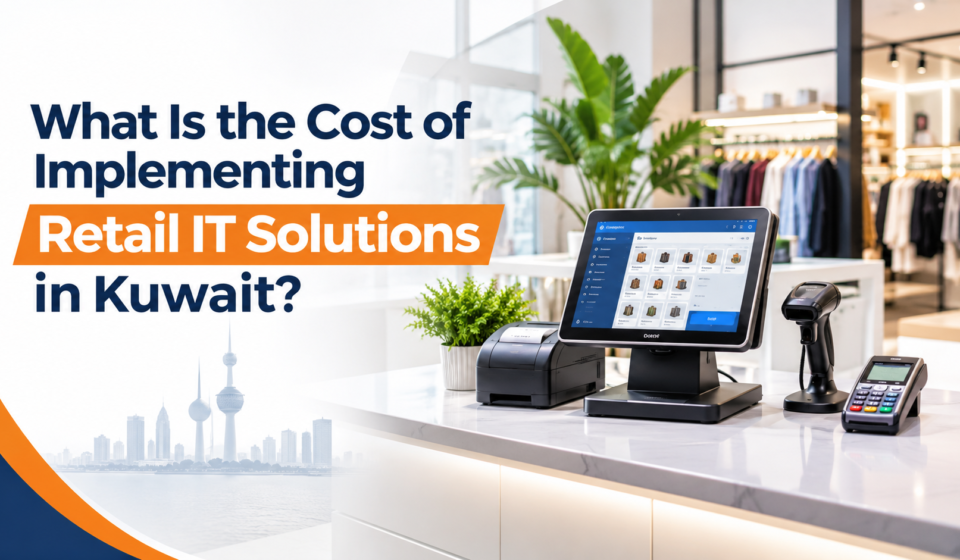
Each checkout needs a terminal, receipt printer, barcode scanner, and cash drawer, and many stores add customer displays or handheld devices. Global brands, including the kind of NCR retail solution in Dubai that larger Gulf chains favour, cost more upfront but tend to last longer and hold resale value.
Subscription or one-time licence?
Cloud software usually charges a monthly fee per terminal or per branch, which keeps the starting bill low. A perpetual licence costs more on day one but avoids recurring fees. Run the numbers over five years, because the cheaper option in month one is not always cheaper overall.
Integration, KNET, and the custom work in between
Your system must talk to:
- KNET payment terminals
- Your accounting software
- Perhaps an online store or delivery apps.
Each connection takes developer time, and custom reports or workflows add more. This line item often surprises owners, so ask every vendor to quote it separately.
Spend Smarter on Your Retail IT Rollout
Launch in phases
Start with one branch or one module, fix the problems there, then expand. A phased launch spreads spending across several months, protects your cash flow, and gives staff time to learn. It also lets you test a vendor’s support before committing every store to their platform.
Favour regional experience
Vendors already working across the GCC bring ready-made Arabic interfaces and local payment connections, which cuts setup hours. If you also run a café or restaurant, a provider known for the best hospitality software in Bahrain may cover both sides of your business under one contract.
The Final Receipt
New retail technology feels far less mysterious once you break the cost into pieces: counter hardware, the software model, integration work, and the support that keeps everything running. Compare each quote line by line rather than judging it by the final total, and ask vendors directly what happens after go-live. A well-planned retail IT solution in Kuwait pays for itself through fewer stock errors, faster checkouts, and clearer sales data. Begin with your must-haves, add features as your business grows, and let real sales numbers guide every upgrade you make.
FAQs
How long does a typical rollout take?
A single store can usually go live within two to four weeks. Multi-branch projects with ERP and custom integrations often need three to six months.
Should staff training be budgeted separately?
Yes. Some vendors include basic training, but extra sessions, new hire onboarding, and manager workshops are often billed as separate items in the quote.
Can I reuse my existing hardware?
Sometimes. Printers and cash drawers often work with new software, but older terminals may lack the speed or ports needed, so request a compatibility check.
What costs continue after launch day?
Expect annual support contracts, software updates, replacement hardware, and internet or cloud hosting fees. A yearly maintenance budget keeps unpleasant surprises off your books.
Is a cheaper system ever the smarter pick?
It can be for a small single shop with simple needs. Just confirm it handles KNET, Arabic receipts, and enough room for future growth.