
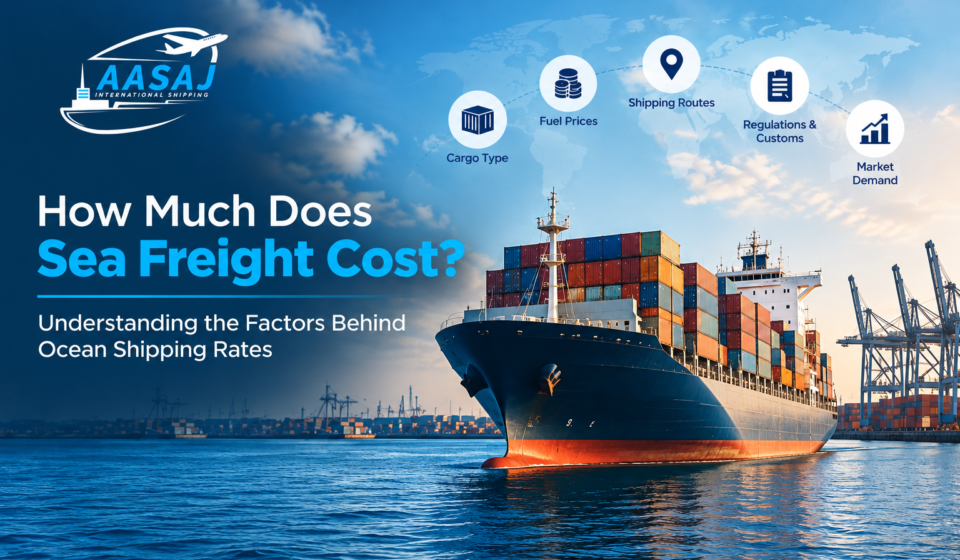

Ever gotten a shipping quote and wondered why two containers, seemingly identical, come back with wildly different price tags? Ocean freight pricing isn’t random guesswork; it’s shaped by a mix of moving parts that most first-time shippers never see. If you’re weighing sea freight services in Dubai for your next shipment, understanding these factors will help you budget smarter and avoid nasty surprises. Stick around, because by the end you’ll know exactly what’s driving your quote.
What Exactly Goes Into a Sea Freight Quote?
A sea freight quote is essentially a breakdown of every cost tied to moving your goods from origin port to destination port. It’s not just about distance; it factors in cargo type, container space, fuel, documentation, and handling at every checkpoint along the route.
The Base Rate Isn’t the Whole Story
Carriers quote a base ocean rate, but that number rarely reflects your final invoice. Surcharges, port fees, and seasonal adjustments stack on top, which is why two quotes for the same route can look identical upfront yet differ once everything is added in.
Container Type and Cargo Volume Matter More Than You Think
Full Container Load vs Shared Space
Shipping a Full Container Load (FCL) means you pay for the entire container, regardless of how full it is, while Less than Container Load (LCL) means you share space and split costs with other shippers, which usually suits smaller shipments better.
Weight, Dimensions, and Cargo Class
Heavier or oddly shaped cargo can trigger dimensional weight pricing or special handling fees. Fragile, hazardous, or temperature-sensitive goods often require extra documentation and equipment, both of which add measurable cost to your final freight bill.
Fuel Prices and Fluctuating Surcharges
Bunker fuel costs swing constantly with global oil markets, and carriers pass these swings on through a Bunker Adjustment Factor (BAF). This surcharge alone can shift your total cost noticeably between the time you book and the time your cargo actually sails.
Currency Adjustment Factor Explained
Since shipping involves multiple currencies across different trade lanes, carriers apply a Currency Adjustment Factor (CAF) to offset exchange rate volatility. It’s a small percentage, but on high-volume shipments it adds up more than most shippers expect.
Route, Distance, and Port Congestion
Why Some Routes Cost More Than Others
Longer distances naturally cost more, but congestion at busy ports, limited vessel availability, or geopolitical disruptions along a route can inflate prices even on shorter journeys. Popular trade lanes sometimes carry premium pricing purely due to demand.
Seasonal Demand Swings
Peak shipping seasons, like pre-holiday retail rushes, push rates upward as container space tightens. Booking during off-peak windows through a reliable logistics company in Dubai often means better rates and more flexible scheduling options.
Additional Charges Shippers Often Overlook
Beyond the base rate, several smaller fees quietly add to your total. Knowing these upfront helps you compare quotes accurately instead of getting blindsided by a bigger-than-expected invoice at the end.
- Terminal Handling Charges (THC): fees for loading and unloading containers at port terminals on both ends of the journey.
- Documentation fees: costs tied to bills of lading, customs paperwork, and export or import clearance processing.
- Insurance premiums: optional but recommended coverage protecting cargo against loss or damage during transit.
- Demurrage and detention fees: charges applied when containers sit at port or with the shipper longer than the allotted free time.
Why Working With the Right Partner Changes the Math
Experience Translates Into Savings
An established shipping company in the UAE understands carrier relationships, seasonal patterns, and route alternatives well enough to negotiate better rates on your behalf, something a first-time shipper booking directly often can’t access on their own.
Transparent Pricing Builds Trust
The best partners break down every charge clearly upfront, so you’re never left guessing what a surcharge means or why it appeared. Transparency in quoting is often the biggest difference between a smooth shipment and a frustrating one.
Wrapping It Up
Sea freight pricing looks complicated because it genuinely involves many moving pieces, from fuel surcharges to port congestion. But once you understand what drives each cost, quotes stop feeling like a mystery. Partnering with dependable sea freight services in Dubai means someone experienced is decoding these variables for you, so your shipment moves smoothly, and your budget stays predictable from booking to delivery.
Frequently Asked Questions
Why do sea freight rates change so often?
Rates shift due to fuel price swings, port congestion, seasonal demand, and currency fluctuations. Carriers adjust pricing regularly to reflect these real-time market conditions, which is why quotes rarely stay fixed for long.
Is LCL always cheaper than FCL shipping?
Not necessarily. LCL suits smaller loads well, but once your cargo volume grows, FCL often becomes more cost-effective since you avoid per-unit consolidation fees charged for shared container space.
Can I avoid demurrage charges entirely?
Yes, by planning cargo pickup or return within the free time window your carrier allows. Coordinating closely with your logistics partner helps you clear containers before extra daily charges begin accruing.
Do smaller shipments still need insurance coverage?
Absolutely. Cargo value, not shipment size, determines risk exposure. Even modest shipments can face damage or loss during transit, making insurance a smart safeguard regardless of how much you’re shipping.
How far in advance should I book to save money?
Booking two to four weeks ahead, especially outside peak season, typically secures better rates and container availability, giving carriers time to plan space without charging last-minute premium fees.