
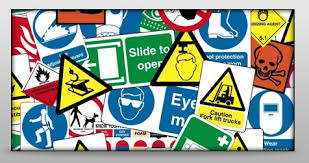
Beyond Warning Signs: Understanding the Role of Industrial Safety Stickers

A sticker the size of your palm can stop a forklift, save a hand, or keep a worker out of a live panel. Industrial safety stickers do far more than shout “danger.” They guide behavior, keep sites legal, and speak a visual language every crew member understands, whatever their native tongue. Many facility managers now work with industrial safety sticker providers in Dubai to get labels built for heat, dust, and daily wear. Stay until the end to learn what each type does and how to pick the right ones.
Industrial Safety Stickers, Decoded
Industrial safety stickers are adhesive labels that use colors, symbols, and short text to warn, instruct, or inform people about hazards and required actions in the workplace. They follow standards such as ISO 7010 so the message reads the same on any site.
The Color Code Hidden Inside Industrial Safety Stickers
1. Red: Prohibition and Fire
Red tells you to stop or stay away. A red circle with a slash means an action is banned, like smoking near fuel tanks. Red squares mark fire equipment, so extinguishers and alarm points stay easy to find when smoke fills a corridor.
2. Yellow: Warning
A yellow triangle with a black border signals a hazard that could hurt you if you are careless. Think high voltage, slippery floors, or corrosive chemicals. It does not forbid anything. It asks you to slow down, look around, and respect what is in front of you.
3. Blue: Mandatory Action
Blue circles tell workers what they must do. Wear a hard hat, put on ear defenders, use a harness above two meters. These stickers usually sit at entry points, so nobody can claim they missed the rule on their way into a high-risk zone.
4. Green: Safe Conditions
Green points the way out of trouble. Emergency exits, first aid kits, eyewash stations, and assembly points all wear green. Photoluminescent, or glow-in-the-dark, versions glow after the lights fail, which matters in warehouses and plant rooms where a power cut can turn familiar aisles into a maze.
Where Industrial Safety Stickers Earn Their Keep
Machinery and Moving Parts
A pinch point is any gap where fingers can get trapped between moving parts, and like hot surfaces, it is easy to miss. Stickers placed right on the guard or housing put the warning where hands actually go. Lockout labels also show which switch isolates which machine during maintenance.
Electrical Panels and Switchgear
Arc flash labels list the incident energy, safe approach distance, and protective gear needed before anyone opens a panel. Voltage stickers on cabinets and cable trays warn contractors who may not know the site. Dubai authorities and insurers expect these labels to be present and readable during inspections.
Chemical Storage and Pipelines
GHS (the Globally Harmonized System) pictograms show at a glance whether a drum holds something flammable, toxic, or corrosive. Pipe markers add arrows for flow direction and name the contents, which helps maintenance crews avoid cutting into the wrong line. Chemical-resistant laminate keeps the print legible after spills.
Floors, Racking, and Traffic Routes
Floor graphics mark pedestrian walkways, forklift lanes, and keep-clear zones in front of exits. Rack load stickers state the maximum weight per beam level, which stops overloading before it bends steel. Anti-slip coatings make floor markers safe to walk on, even when wet.
The Last Word on Safety Signals
A safety sticker works quietly. Nobody thanks it, yet it shapes thousands of decisions every shift, from where a worker steps to which glove they reach for. Getting the colors, symbols, materials, and placement right turns those labels into a system people trust instead of wallpaper they tune out. If your site needs durable, compliant labels made for local conditions, talk to industrial safety sticker providers in Dubai who understand the standards and the climate. Then walk your floor with fresh eyes and ask what each sign is telling people.
FAQs
Will the Gulf sun bleach my outdoor stickers into silence?
Quality UV-laminated vinyl typically lasts five to seven years outdoors. Cheaper unlaminated prints can fade within months, which makes the warning easy to ignore.
Does Dubai expect my labels to speak Arabic too?
Bilingual Arabic and English labels are widely expected, and pictograms help everyone else. Check your local authority and free zone rules.
Can a sticker hug a curved pipe without peeling?
Yes, with the right material. Conformable vinyl hugs curves, while high-tack adhesives grip block walls and powder-coated surfaces that standard labels slide off.
How often should someone check the labels on site?
Inspect every label each quarter and after any layout change. Replace anything faded, peeling, or pointing to equipment that has moved.
Custom or off-the-shelf: which earns its place on the wall?
Custom works best for site-specific hazards, asset numbers, or unusual sizes. Standard stock stickers suit common warnings and cost less per piece.