

A flickering light or faulty outlet might not seem like an immediate concern, until the day they cause you to shut down a business, perhaps even causing a fire hazard or triggering some compliance issue you were in no way expecting to deal with. Commercial buildings depend on electrical systems that age quietly in the background, and ignoring them can cost you far more than their maintenance costs. This is why an electrical maintenance service in Delhi is no longer just a service, but rather a must-have for commercial property owners.
Why Electrical Systems Age Faster Than Most Owners Expect
Commercial properties run heavier loads than residential spaces, which means wiring, panels, and circuits degrade at a noticeably faster pace under constant daily strain.
Constant Load Takes a Silent Toll
HVAC systems, lighting, servers, and machinery pull power continuously throughout business hours. That nonstop demand wears down insulation, connectors, and breakers years before their expected lifespan, often without any visible warning signs until failure actually occurs.
What Regular Electrical Maintenance Actually Involves
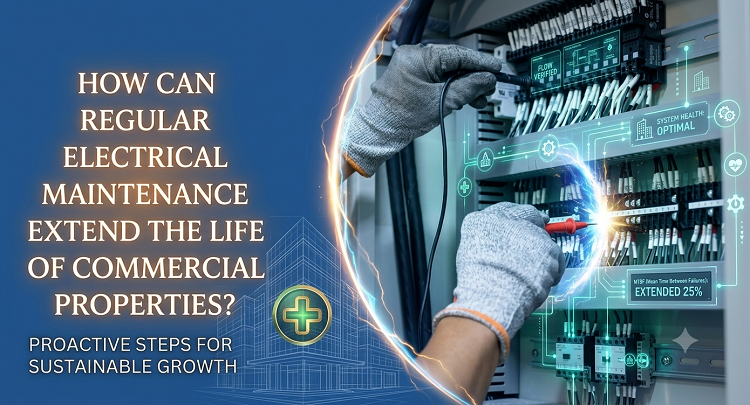
Routine maintenance includes inspecting wiring, testing circuit breakers, checking earthing systems, and identifying overloaded panels before they become safety hazards. It is a preventive process, not a reactive repair triggered only after something breaks.
How Neglect Quietly Shortens a Building’s Lifespan
Small electrical issues rarely stay small. Left unaddressed, they compound into structural risks that shorten the operational life of an entire commercial property.
The Domino Effect of Ignored Wiring Issues
A single overloaded circuit can strain connected systems, generate excess heat, and gradually damage surrounding wiring. Over time, this chain reaction accelerates wear across the building’s entire electrical infrastructure, not just the original problem area.
Fire Risk Increases More Than People Realize
Faulty wiring remains one of the leading causes of commercial fires. Regular inspections catch overheating components and loose connections early, preventing the kind of catastrophic damage that can take a building out of operation for months.
Legal and Regulatory Compliance Cannot Be an Afterthought
Delhi’s commercial properties operate under specific electrical safety regulations, and staying compliant is not optional; it is a legal responsibility tied directly to occupant safety.
Buildings are expected to align with the following regulatory benchmarks:
- Central Electricity Authority (CEA) guidelines on electrical installation safety
- Delhi Electricity Regulatory Commission (DERC) regulations for licensed electrical practices
- IS 732 and IS 3043 standards covering wiring and earthing requirements
- Bureau of Energy Efficiency (BEE) benchmarks under the Energy Conservation Act
Why Compliance Protects More Than Just Legal Standing
Staying compliant with these authorities reduces liability during accidents, supports insurance claims, and often factors directly into lease agreements with corporate tenants who expect verified, up-to-date safety documentation.
The Financial Side Nobody Talks About Enough
Beyond safety, poorly maintained electrical systems quietly drain money through inefficiency, something building owners often notice only after reviewing their utility bills.
Power Factor Problems and Rising Utility Costs
Low power factor readings trigger avoidable surcharges from local discoms. Regular maintenance identifies these inefficiencies early, helping property owners avoid unnecessary monthly penalties tied directly to poor electrical performance.
Downtime Costs More Than Repairs Ever Do
An unexpected electrical failure can halt business operations for hours or days. The cost of lost productivity and tenant disruption almost always outweighs what routine maintenance would have cost in the first place.
Building a Maintenance Routine That Actually Works
Consistency matters more than urgency when it comes to electrical upkeep, since problems caught early rarely become expensive emergencies later.
Scheduling Inspections Before Problems Surface
Quarterly or biannual inspections allow qualified electricians to catch wear patterns before they escalate. This proactive rhythm keeps systems running efficiently while satisfying regulatory inspection requirements that property owners are expected to meet.
Choosing a Team That Understands Commercial Complexity
Commercial electrical systems involve higher loads, more circuits, and stricter compliance demands than residential setups. Working with a team experienced specifically in commercial properties ensures nothing gets overlooked during routine checks.
Final Word on Protecting What You Have Built
A commercial property is only as reliable as the systems running quietly behind its walls. Regular upkeep from a trusted electrical maintenance service in Delhi protects against fire risk, regulatory penalties, and costly downtime, while extending the building’s usable life significantly. When you are ready to safeguard your property the right way, Torex India brings the commercial expertise and compliance knowledge needed to keep your electrical systems dependable for years to come.
FAQs
How often should commercial properties schedule electrical inspections?
Most commercial properties benefit from inspections every six months, though high-load facilities like factories or data centers often require quarterly checks for reliable performance.
Can poor electrical maintenance affect a building’s insurance coverage?
Yes, insurers often require documented compliance with safety standards, and neglected maintenance can complicate claims or even void coverage following an electrical incident or fire.
What warning signs indicate a commercial property needs urgent electrical attention?
Flickering lights, warm outlets, frequent breaker trips, and burning smells near panels all signal underlying issues that require immediate professional inspection before problems escalate.
Does electrical maintenance help reduce a building’s overall energy consumption?
Yes, addressing power factor issues, inefficient wiring, and outdated components typically lowers energy waste, reducing monthly utility costs while improving overall system performance significantly.
Is electrical compliance different for older commercial buildings versus newer ones?
Older buildings often require more frequent inspections since aging wiring and outdated panels are more likely to violate current CEA and BEE safety benchmarks.